approach
Radical Clarity in an Oversaturated Design World
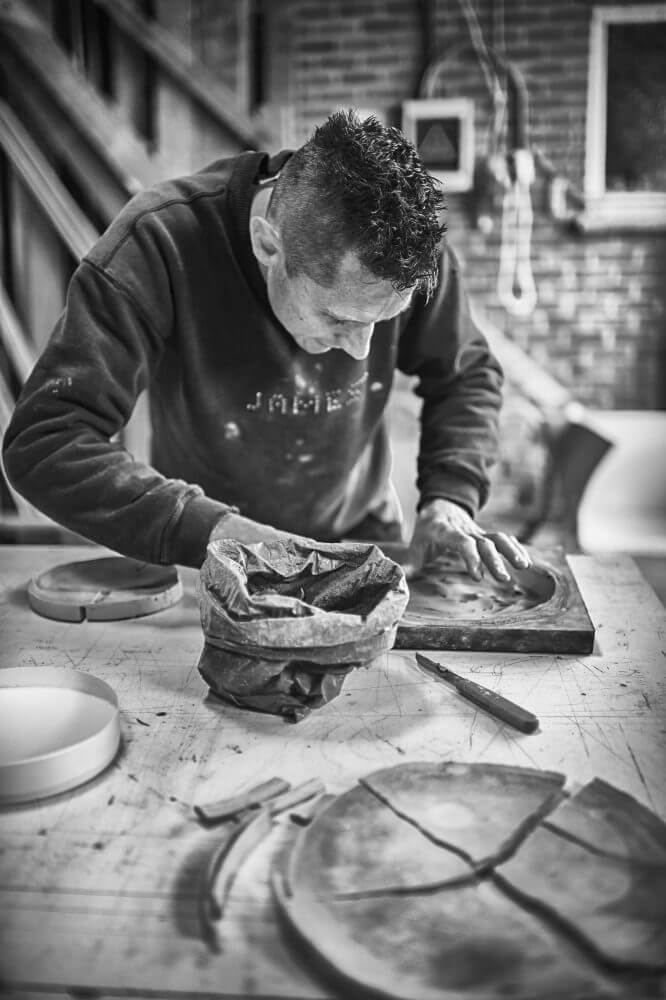
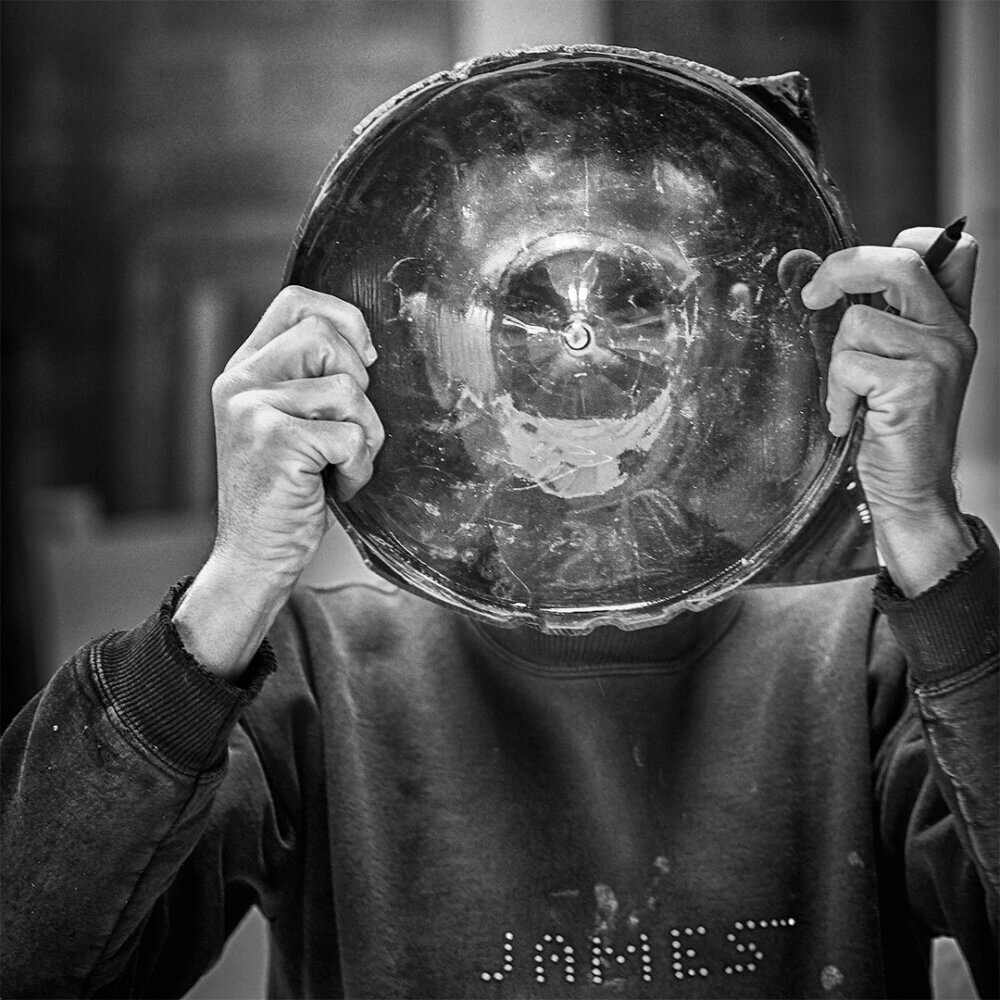
In a world where design is increasingly reduced to visual language or branding, James Van Vossel stands out. His work isn’t about stylistic statements, it’s the result of curious thinking and hands-on exploration. He doesn’t design to please, but to understand the object, the material, the use.
Thinking through logic, building through curiosity
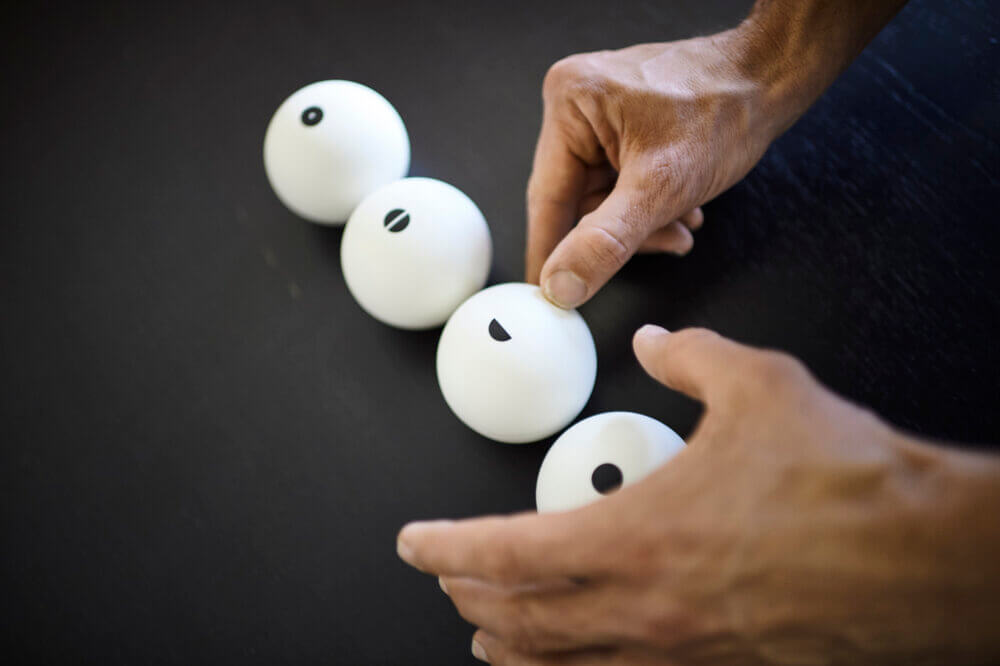
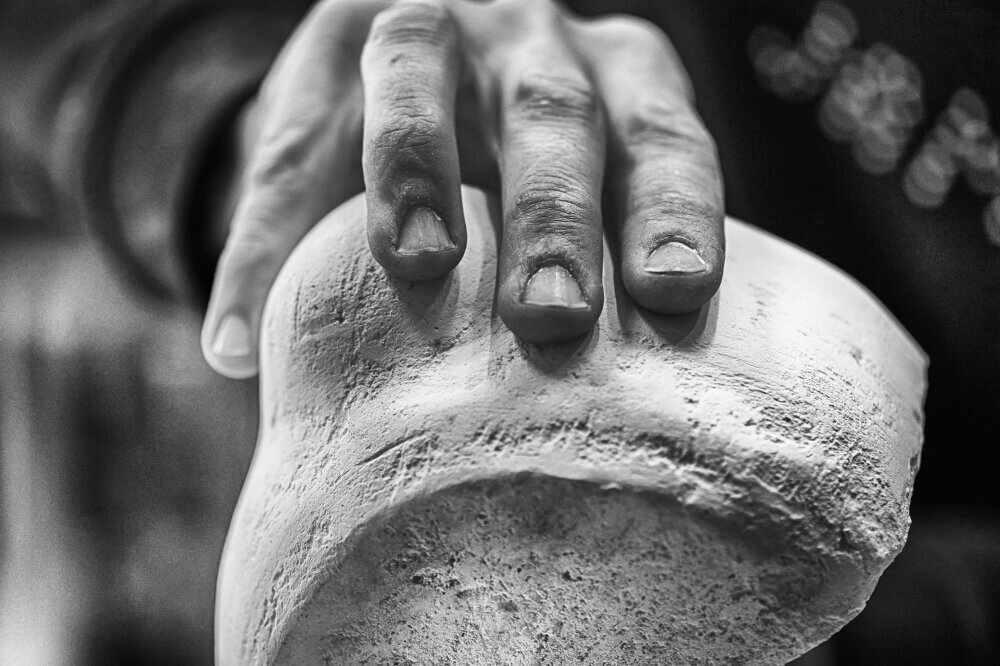
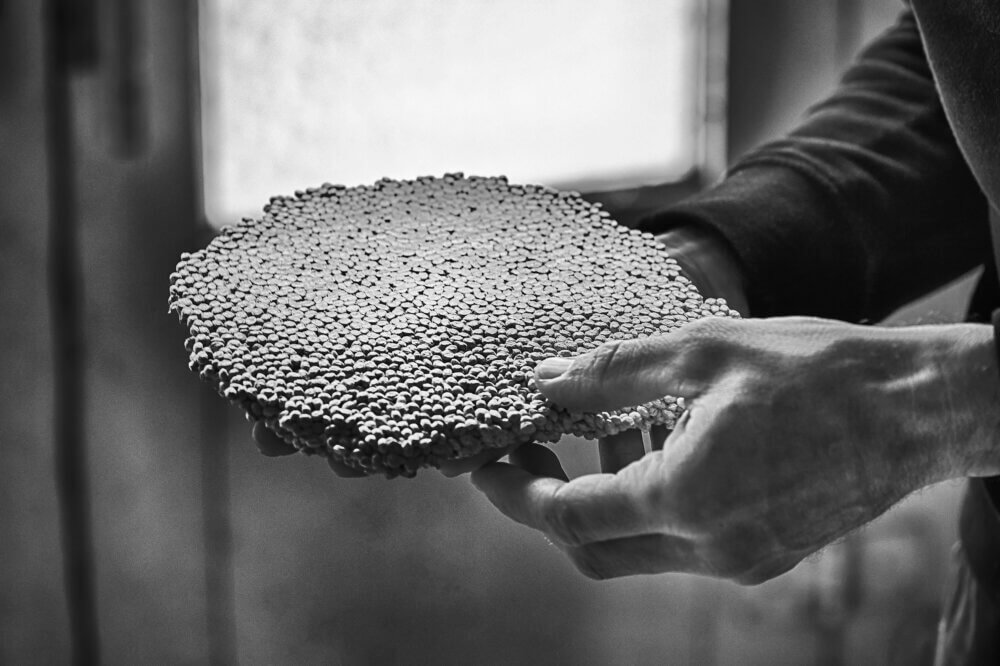
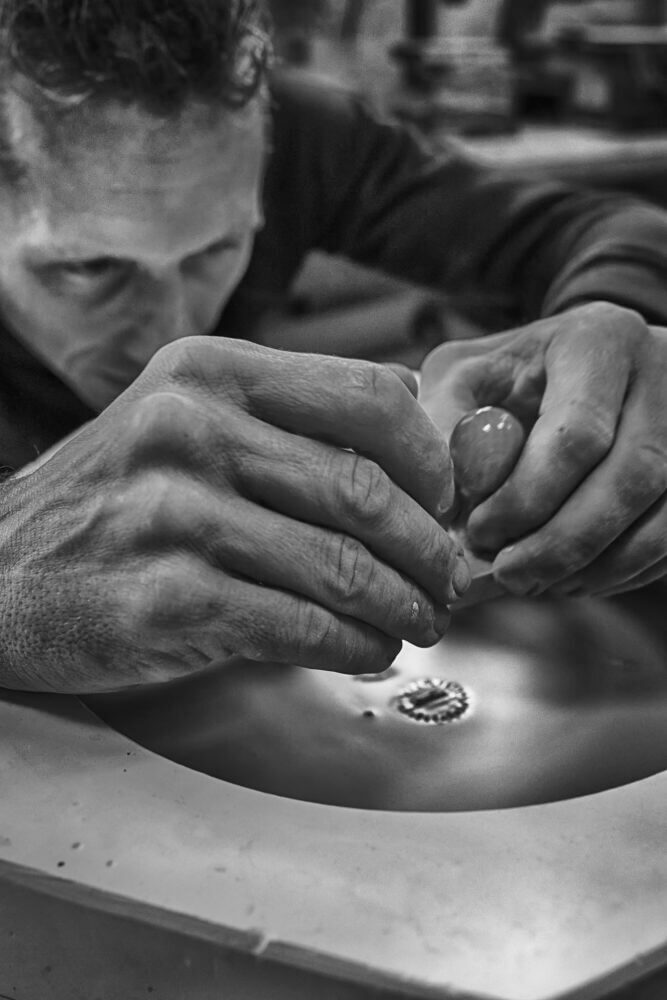
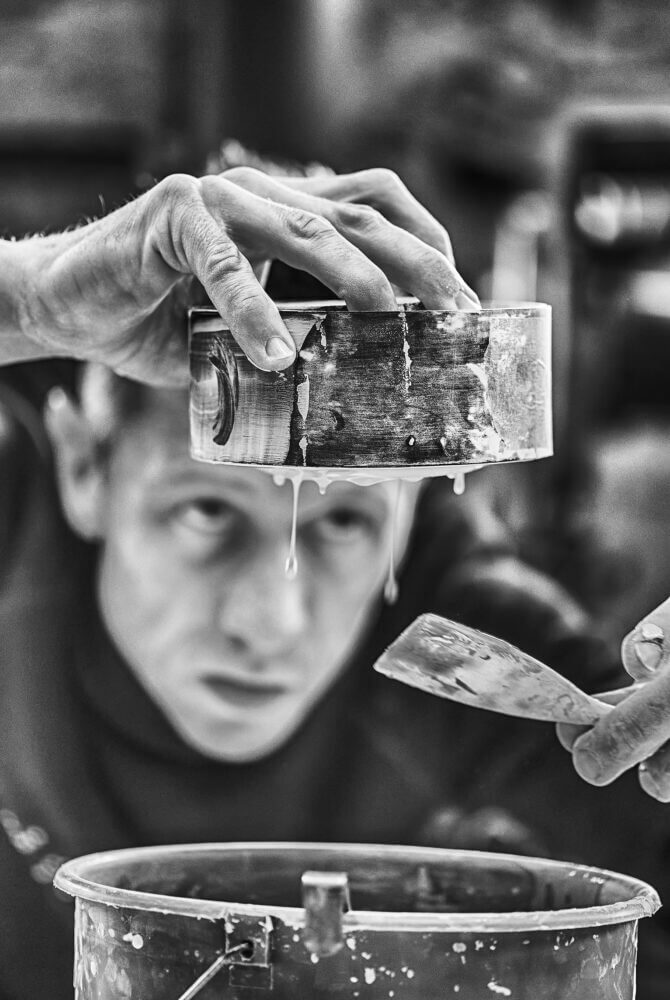
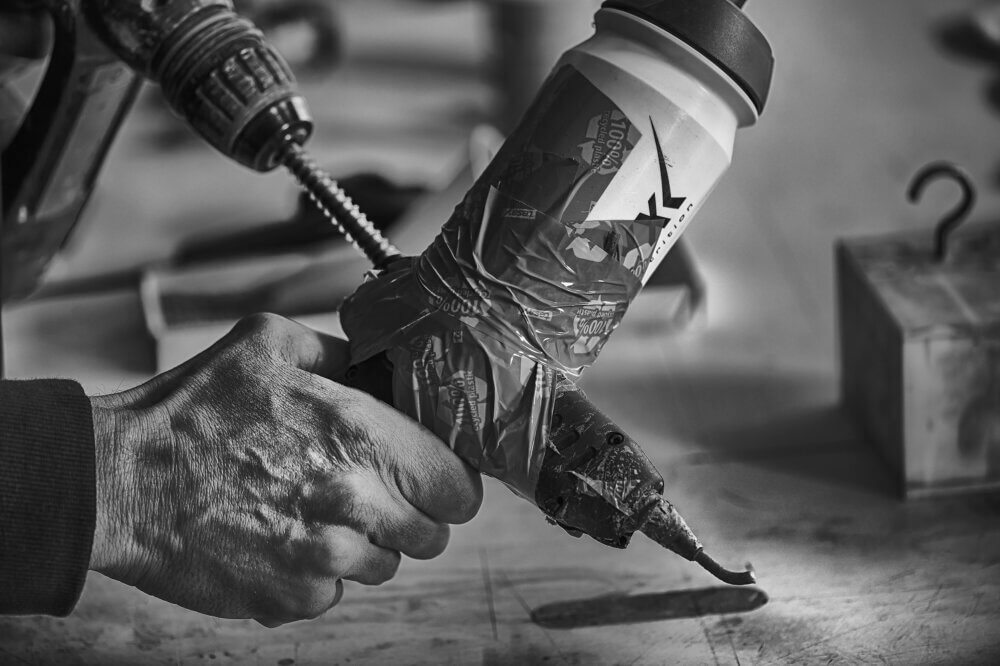
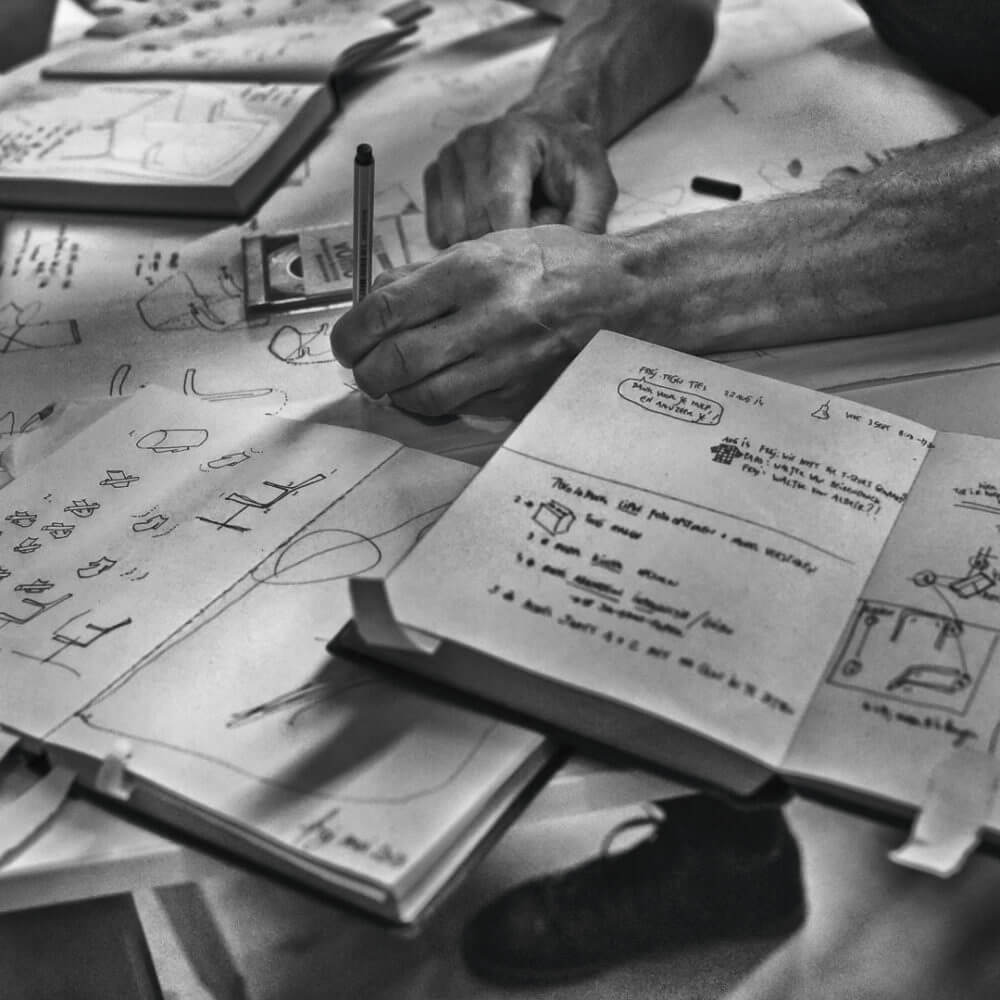
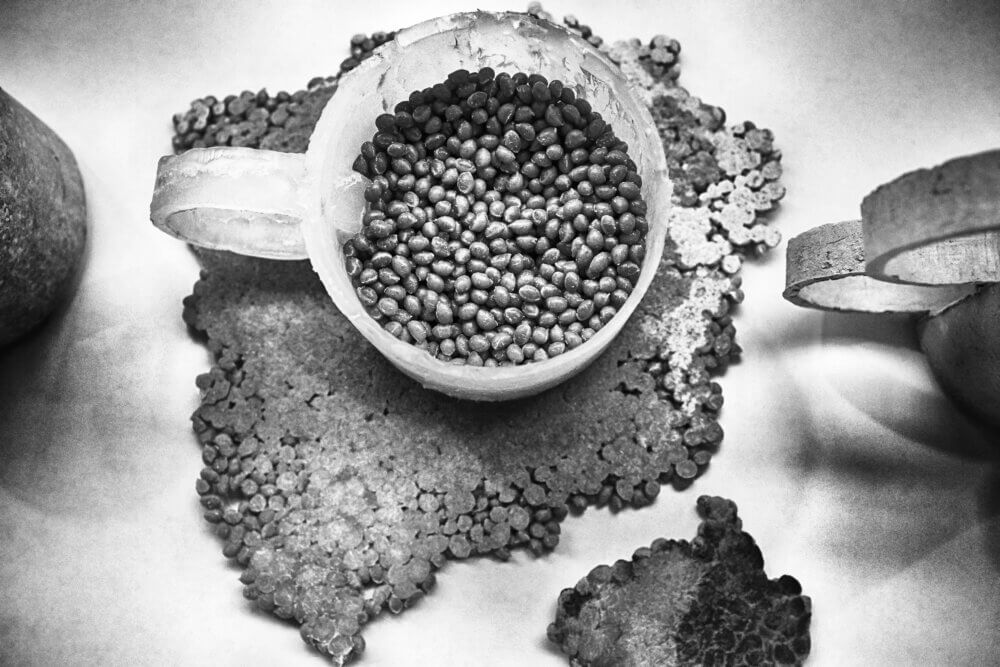
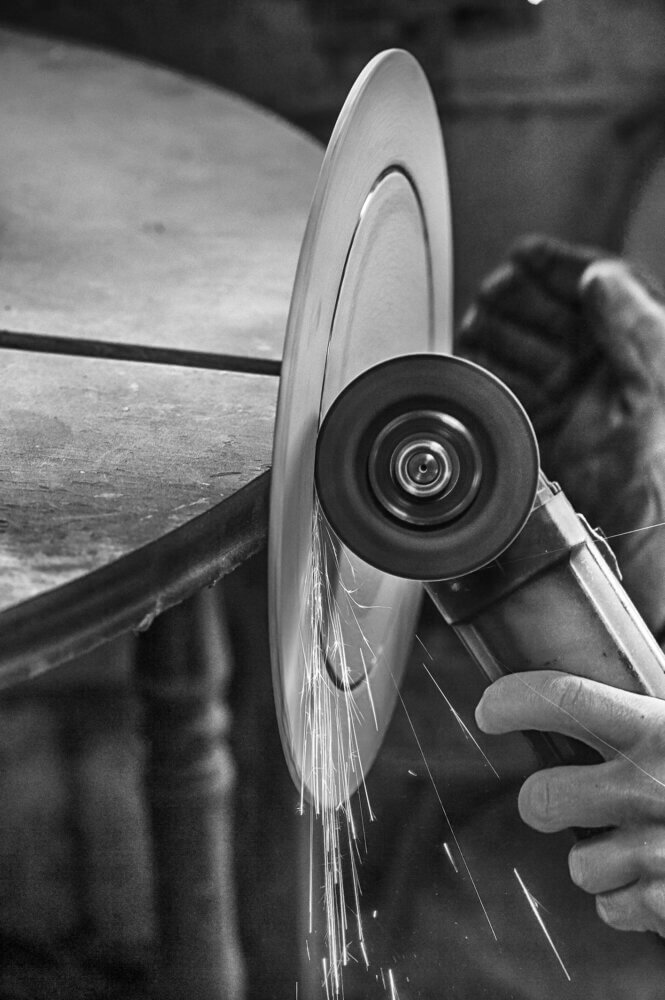
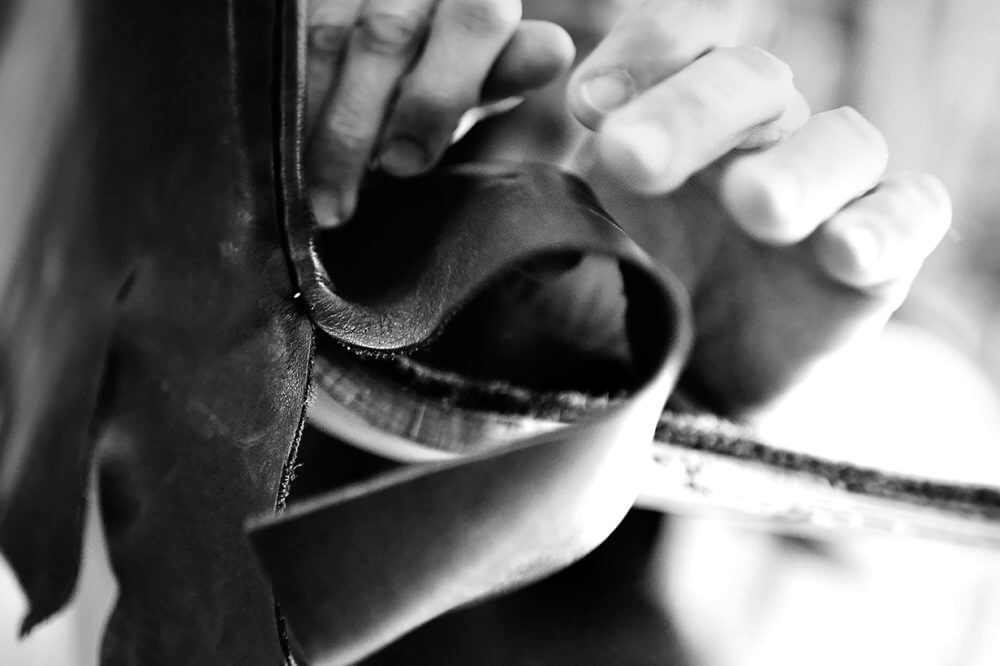
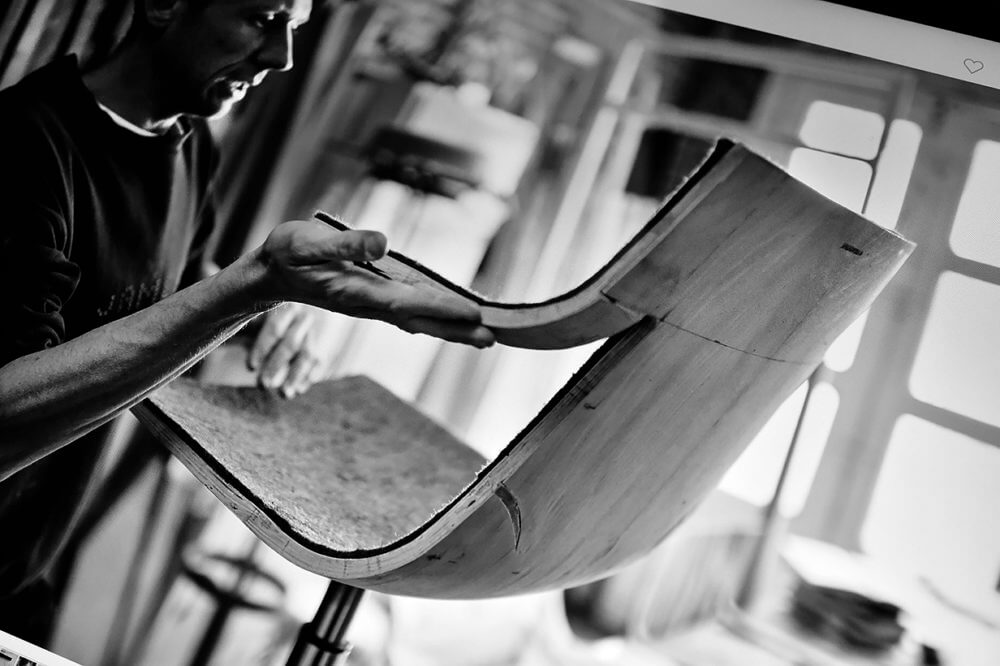
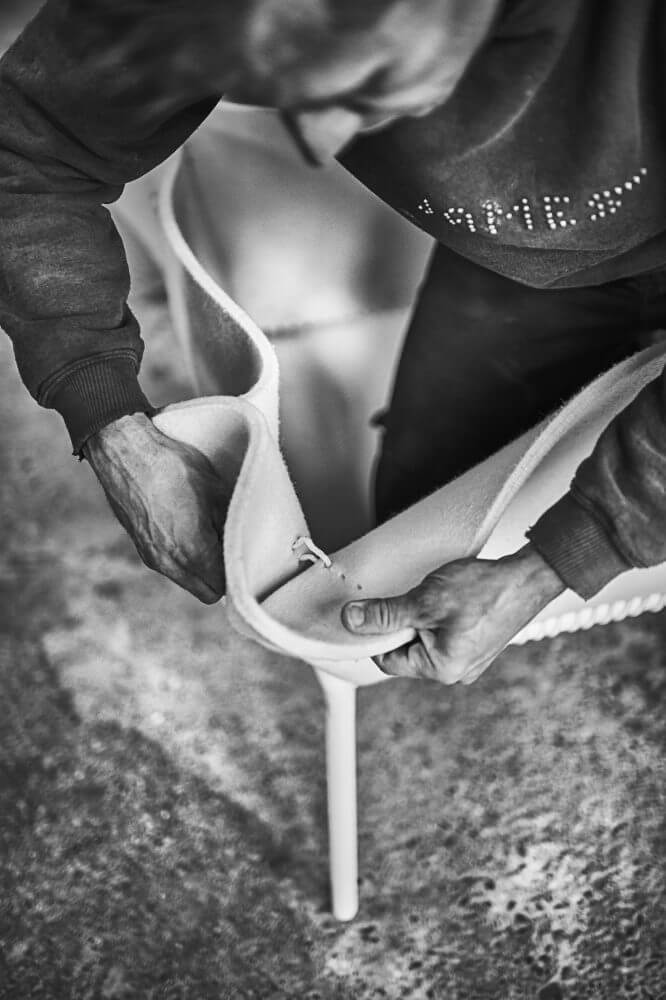
James Van Vossel is not a paper designer. He is a researcher who works with his hands. Every project begins with a material, a structure, a construction principle. There is no linear path from sketch to prototype, but rather an iterative process in which the design literally takes shape through making. A striking example is the FF1, a felt chair designed in collaboration with Tom De Vrieze for there micro-entreprise FOX & FREEZE. What starts as a geometric fold in a sheet of felt evolves into a full-fledged seating object with exceptional structural integrity. It’s not upholstery, but felt as architecture, a clear testament to his ability to treat material not as surface, but as a starting point. Or consider the Hollow lamp, developed for Modular Lighting Instruments. A lighting fixture where the space around the light becomes as important as the light itself stripped back, airy, and free from unnecessary complexity.
“I manipulate material. That’s how I think. The material is my drawing.”
That quote encapsulates his approach: he thinks by doing, shapes by feeling, and builds by breaking things apart. For manufacturers, that means no stylised surface design but a deeply thought-through inner logic, both technically and aesthetically.
Mirrors, chairs, lighting, eyewear: one vision, many applications
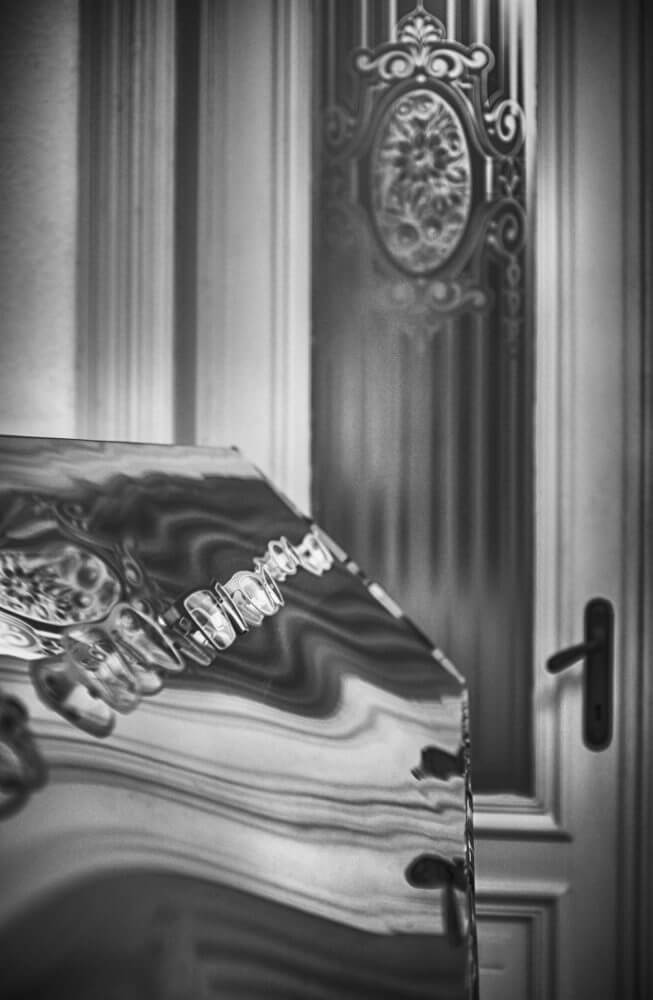
His approach is so fundamental that it easily adapts across different industries. Most recently, he created a collection of mirrors for Belgian brand Deknudt Mirrors, where reflection and refraction engage in quiet architectural dialogue. At the same time, he’s developing furniture for Ligne Roset that explores the threshold between sculpture and usability. And for Belgian eyewear brand Theo, he applies the same depth of material knowledge on the smallest of scales creating frames that are both technically ingenious and visually striking. This breadth of application shows how he doesn’t think in terms of “products”, but in terms of systems, of forces, connections, volumes, and potential.
The only Belgian designer for THONET, and that’s no coincidence
That Van Vossel is the only Belgian ever invited to design for THONET, the world’s oldest still-operating furniture brand, speaks volumes about his standing in the international design world. He’s not driven by image culture, but by building culture. His work fits seamlessly within a brand whose DNA has stood for craft, clarity, and timeless design since the 19th century.
For manufacturers: not a supplier, but a co-developer
What makes him unique as a collaborator is his deep involvement. He doesn’t just contribute ideas, he pushes the thinking further. He follows the entire development process, works closely with engineers, asks the right questions, and helps shape solutions that are both industrially viable and meaningfully designed. Collaborating means: less noise, more essence. Less surface, more structure.
Why collaborate?
Design is adrift. In an age where many products dissolve into a blur of visuals and commerce, we need designers who bring back depth who start from the core, and build outward toward something that lasts. James Van Vossel does exactly that. Not as a style, but as a work ethic. Not as a concept, but as tangible reality.
List of clients he collaborates with
37graden (BE) …. Baloq (BE) …. Blitsdesign (NL) …. C.O.W. by NSR (AU) …. Dark (BE) …. Deknudt Mirrors (BE) …. Drisag Office Inspirators (BE) …. Gervi outdoor (BE) …. Jongform (BE) …. KidsLAB (BE) …. Levis (BE) …. Ligne Roset (FR) …. Modular Lighting Instruments (BE) …. Montis (NL) …. Pintoy (TH) …. Theo eyewear (BE) …. Thonet (DE)
His own label: Pièce Ludique est. 2025.
Alongside his celebrated work pushing brands beyond conventional thinking, James is expanding into what he considers the pinnacle of design with his own purist and experimental label, Pièce Ludique: A collection of limited and unique editions, handcrafted with a passion for their materialisation.
With this label, he reflects on and questions what design should be. All excess is removed in production techniques, materialisation, and the design process leaving only the pure essentials. In doing so, he challenges himself to explore what design must retain to still be called design at all. Simplicity at its finest.